Why a Professional Roof Inspection Matters for Your Home
When I bought my first house in Austin, I figured a roof was just a roof. I climbed up there myself a few times, poked at a few shingles, and called it good. That approach worked fine until a surprise leak showed up during a spring thunderstorm. Water dripped from a spot I had never even looked at, and by the time I found the source, the damage had already spread into the attic. That experience taught me something most homeowners learn the hard way: a thorough, professional roof inspection is very different from a quick visual check from the ground.
Here is what I have learned over the years, both from my own mistakes and from watching how experienced contractors approach the job. A roof is a complex system. It is not just the shingles you see from the street. It includes flashings, vents, seals, decking, and a dozen details that can fail in ways you would never predict. And because the climate in central Texas runs from blistering heat to sudden hail, the roof takes a beating that accelerates wear in specific areas. That is why scheduling a professional roof inspection at least once a year, and definitely after any major storm, is one of the smartest things a homeowner can do.
What a Professional Roof Inspection Actually Covers
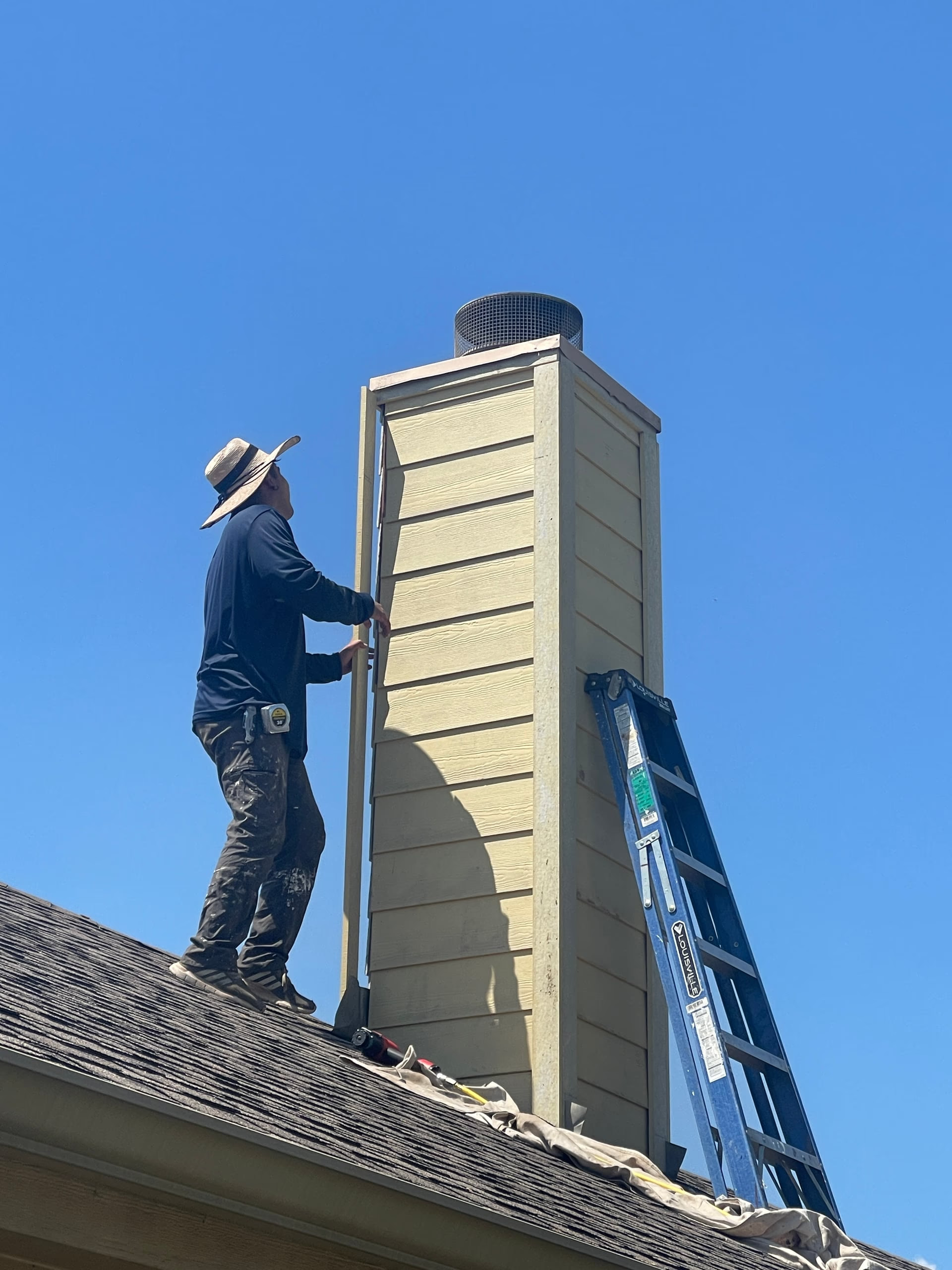
A real inspection goes far beyond walking the ridge line. The inspector looks at every component that keeps water out and air moving properly. That includes the shingle condition assessment at every exposure, checking for curling, cracking, or missing tabs. It also means examining the flashings around chimneys, skylights, and wall intersections, because those are the spots where leaks most often start. Flashings that were fine five years ago can lift or crack as the building settles and the materials age.
The inspector will also perform a gutter inspection to make sure water flows freely and downspouts are clear. Gutters that look clean from the ground can hide debris in the joints or at the outlet, which causes water to back up under the shingles. Another detail that gets overlooked is the condition of the faucet vent pipe boots. Those rubber seals around plumbing vents dry out and crack in the sun. When they fail, water runs straight down the pipe into the ceiling. I have seen that happen in a house that was only eight years old.

Skylight seals are another common failure point. A skylight that is properly installed should last many years, but the sealant around the curb can shrink or separate long before the skylight itself wears out. A good inspector will test those seals and note any softening or gaps. They will also check the structural deck evaluation, which means looking for soft spots or rot in the plywood or OSB beneath the roofing material. That kind of damage is invisible from the roof surface, but a professional knows where to probe and what signs to look for.
Ventilation and Ridge Details
Proper attic ventilation extends the life of the roof and prevents ice dams in colder climates, but here in Texas it also helps manage heat buildup. Ridge vents and soffit vents work together to create a continuous airflow path. If soffit vents are blocked by insulation or debris, the attic gets hotter, which stresses the shingles and can void the warranty on certain materials. A professional roof inspection will verify that those vents are open and unobstructed.
Valley flashing is another critical area. Valleys are where two roof planes meet, and they channel a lot of water. If the flashing is narrow, improperly lapped, or corroded, it can leak for years before you notice any interior stain. Inspectors look at the condition of the metal and the way it integrates with the shingles on either side. They also check the ridge vents for damage from wind or impacts. A ridge vent that has blown loose can let in rain and pests, and it also reduces the effectiveness of the attic ventilation system.
Materials and Standards
Not all roofing materials are the same, and a good inspector knows the differences between products from major manufacturers. GAF, Owens Corning, and CertainTeed all make high-quality shingles, but each has specific installation requirements and performance characteristics. For example, GAF shingles often require a specific type of starter strip, and CertainTeed has recommendations for nailing patterns that differ from Owens Corning. An inspector who knows these details can tell if the original installation followed the manufacturer's guidelines, which matters for warranty coverage.
Fire resistance is another factor that comes up in inspections, especially in areas prone to wildfires. Materials are rated by tests like ASTM E108, which measures surface burning characteristics. Underwriters Laboratories also certifies roofing products for fire safety. The Texas Department of Insurance may have specific requirements for wind resistance in certain zones, and a professional inspector will know what those standards are. If your roof does not meet them, your insurance could be affected.
Energy efficiency is also part of the picture. Austin Energy offers rebates for certain energy-saving improvements, and a roof that uses an Energy Star rated product or a cool roof coating can reduce cooling costs significantly. A cool roof coating reflects more sunlight than standard shingles, which lowers the surface temperature of the roof and reduces heat transfer into the attic. A professional roof inspection can include an assessment of the roof's current energy performance and suggest upgrades that might qualify for those rebates.
Tools of the Trade
Modern inspection techniques go well beyond a ladder and a flashlight. Many contractors now use thermal imaging to detect moisture trapped inside the roof assembly. Wet insulation shows up as a temperature difference on the camera, which allows the inspector to find leaks that have not yet caused visible stains. This is especially useful for flat roofs or low-slope systems where water can migrate a long way before it drips.
Drone roof surveys have also become common. A drone can capture high-resolution images of the entire roof surface, including areas that are dangerous to walk on or hard to reach. The inspector can review those images later and zoom in on specific shingles or flashings. This method is faster than a manual inspection and reduces the risk of damaging the roof. It is not a replacement for a hands-on check of the deck and attic, but it is a powerful supplement.
Why You Should Schedule One Now
Roof problems rarely announce themselves. They start small, maybe a lifted shingle after a storm or a tiny gap around a vent pipe. By the time you see water on the ceiling, the damage has already spread. A professional roof inspection catches those small issues before they turn into big repairs. It also gives you a clear picture of the roof's remaining life, which helps with budgeting for a replacement down the road.
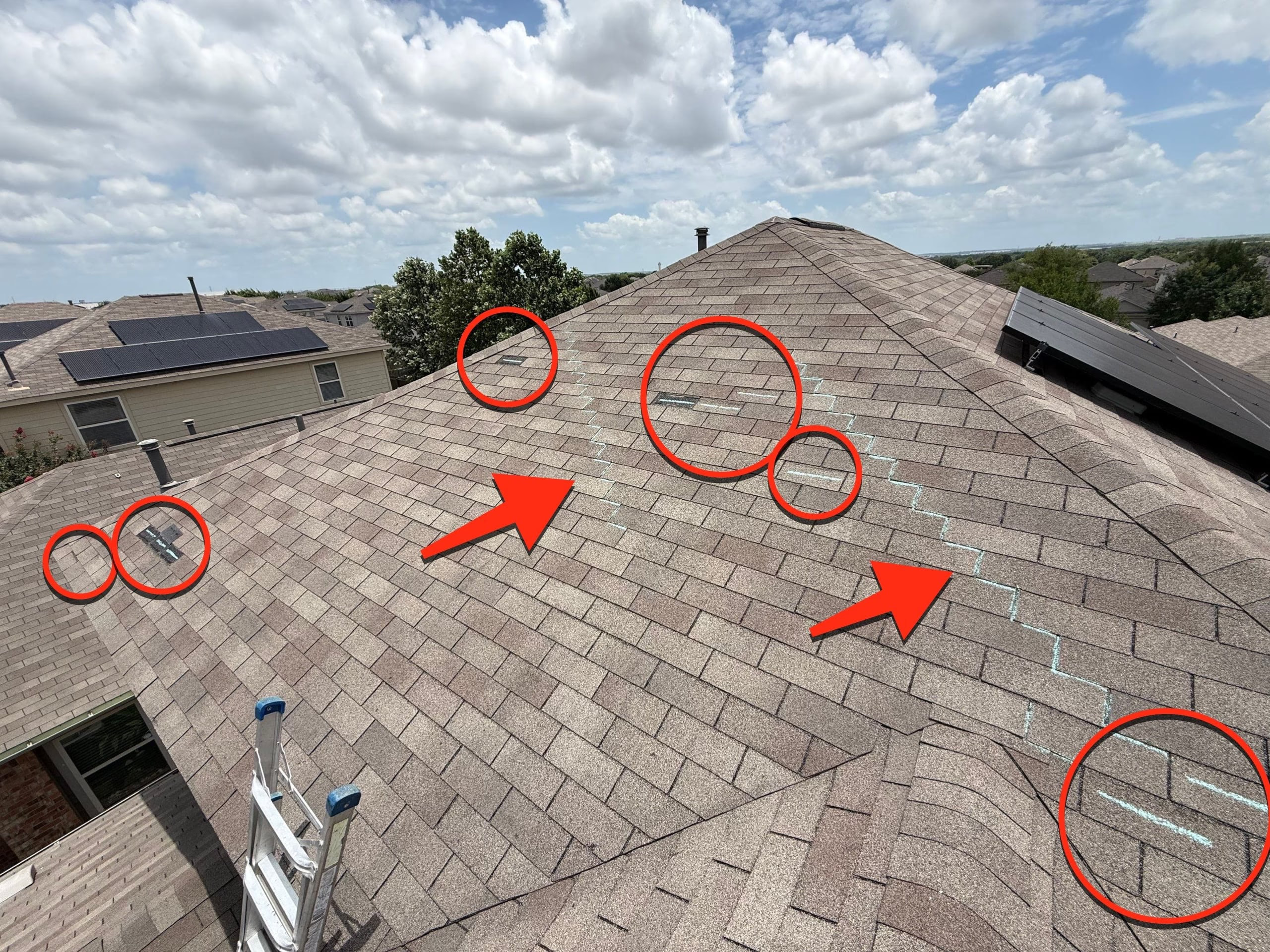
Most reputable companies offer free evaluations with no obligation. They will give you an honest assessment of what needs attention now and what can wait. That kind of information is gold for a homeowner. It lets you plan ahead and avoid emergency calls that cost much more than routine maintenance.
If you have not had your roof inspected in the last year, or if you have had a hailstorm or high winds recently, consider calling a professional. The cost of an inspection is trivial compared to the cost of repairing water damage to your ceilings, walls, and insulation. And when you do get that inspection, ask questions. Find out what they looked at, what they recommend, and why. A good inspector will be happy to explain every finding in plain language.